Website: https://erasmus-plus.ec.europa.eu/projects/search/details/2025-3-AT01-KA152-YOU-000377136
Start date 01-02-2026
End date 30-11-2026
Budget: 44.921,00 €
Coordinator: European Multidisciplinary Organization for Training and international Consulting
Partner: Mládežnícky parlament Banskobystrického samosprávneho kraja (SK) , European Academy of Strategic Training and Business (HR) , PRAHO! project, z.s. (CZ) , “Keep the Change” (LV) , Omladinski savez udruženja ‘OPENS” (RS) , ICSE & CO (IT)
Objectives
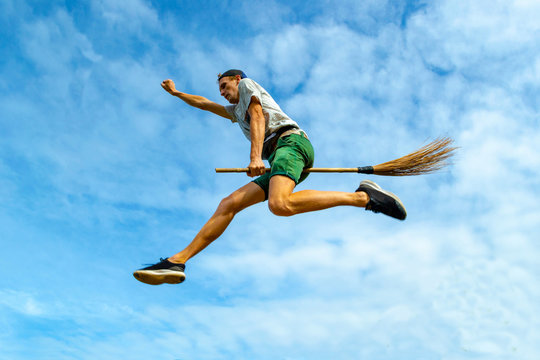
Our project is centred on empowering young people by harnessing the inclusive and dynamic sport of Quidditch as a tool to promote gender equality and wellbeing. From a youth work perspective, the aim is to create a safe and engaging environment where participants can critically examine gender roles, stereotypes, and wellbeing practices, while developing essential life skills. Quidditch, with its mixed-gender teams and cooperative structure, provides a unique platform to challenge inequalities and foster empathy, teamwork, and respect. At the same time, the project will encourage participants to reflect on their mental, emotional, and physical health, helping them gain tools for personal resilience and social connection.
Beyond individual growth, the project supports the broader youth work goal of active citizenship. Participants will be encouraged to apply what they learn within their communities, becoming advocates for equality, wellbeing, and sustainable lifestyles. Through non-formal learning methods, they will explore how team sports and collective action can be powerful vehicles for social change. The project is designed to strengthen the role of youth work in addressing pressing societal issues, while equipping young people with the competences to lead, inspire, and contribute meaningfully in their local and European contexts.
Project Objectives
1. Test and promote Quidditch as both a sport and a learning tool that can be replicated in diverse youth work contexts to engage young people in critical social issues.
2. Develop a comprehensive understanding among participants of the interconnected nature of societal issues such as gender roles, mental health, and civic participation.
3. Improve mental and physical wellbeing through active participation, movement, and teamwork.
4. Strengthen critical thinking, problem-solving, and reflective skills through interactive and participatory methods.
5. Foster inclusivity and diversity by cultivating effective communication and collaboration.
Sessions’ Aims
• Enhance understanding and awareness of gender equality and wellbeing, particularly in the context of sports and teamwork.
• Develop key skills such as leadership, communication, teamwork, and problem-solving.
• Foster inclusive attitudes, empathy, and a proactive mindset towards societal challenges.
• Encourage physical activity and appreciation of sports as a tool for social learning and personal growth.
• Promote cultural exchange and mutual understanding among diverse groups of young people.
• Inspire participants to become active citizens and apply their learnings within their communities.
Activities
Our project will bring together 40 young people, including group leaders, for a diverse and dynamic programme combining sport, wellbeing, and cultural exchange. The core activity is centred on Quidditch as a tool for learning, providing participants with a fun and engaging way to explore teamwork, fair play, and inclusivity. Alongside the sport-based sessions, we will organise interactive workshops, discussions, and reflection activities on gender equality, mental and physical wellbeing, and the role of sports in promoting social change. Creative and cultural activities will complement the programme, giving space for participants to express themselves, share perspectives, and learn from one another.
All activities are designed using non-formal education methods, ensuring that the process is interactive, participant-driven, and practical. Reflection sessions, peer-to-peer learning, and group challenges will encourage young people to actively shape their experience, while daily rituals and journaling will support personal growth and wellbeing. The programme also includes intercultural evenings and open spaces where participants can introduce their own ideas, fostering ownership and creativity.
When selecting participants, we will ensure diversity and balance across gender, culture, and socio-economic background, with a particular focus on including youth with fewer opportunities. This includes young people facing economic obstacles, social barriers, or limited access to intercultural experiences. By designing activities that are flexible and adaptable to different needs and learning styles, we will make sure that every participant is included and able to contribute meaningfully.
Through this programme, participants will not only improve their personal skills and knowledge but also build strong connections across cultures, creating a lasting impact beyond the exchange itself.
Impact
Firstly, we anticipate a clear improvement in participants’ understanding and attitudes toward gender equality. By playing Quidditch, a sport built on inclusivity and mixed-gender teamwork, participants will directly challenge traditional stereotypes and reflect on equality in practice. This experiential approach is expected to foster more inclusive behaviours and a stronger appreciation of diversity. At the same time, the combination of sport, teamwork, and reflective sessions will support participants’ emotional wellbeing, helping them build self-confidence, improve emotional regulation, and strengthen interpersonal relationships. We also expect them to develop better coping mechanisms for stress and anxiety, contributing to healthier lifestyles and improved mental health.
Secondly, the project will strengthen participants’ leadership, collaboration, and problem-solving skills. Through workshops, group challenges, and shared responsibilities, they will refine their communication and organisational abilities. These competencies are highly transferable and will support their growth in education, employment, and community activism. The use of non-formal education ensures that learning is engaging, practical, and directly applicable to real-life contexts, making the skill development long-lasting.
Finally, we expect the project to generate a wider community impact. Empowered with knowledge and practical tools, participants are likely to act as ambassadors for gender equality and wellbeing, initiating local activities, workshops, or discussions in their communities. By sharing their experiences, they can inspire peers, influence families, and raise awareness in schools, youth centres, and municipalities. This ripple effect will extend the project’s benefits beyond individual participants, contributing to more inclusive, healthier, and socially aware communities.
